
Mijas Coastal Path: the right direction and the right hour
Six kilometres sounds like nothing until you walk them at two in the afternoon in July, facing the sun, with nowhere to stop in the shade. The stretch of the Senda Litoral that crosses Mijas is officially rated easy and almost anyone can do it. What decides whether you finish delighted or trudging is not fitness. It is the hour you set off and the direction you choose.
What follows is not another fact sheet. It is what we tell guests at Pauza who ask about the Mijas coastal path the night before walking it: which way round to do it, what time of day by season, what to take and how to finish.
The facts, and there are not many
The path is classified as a Sendero Azul, a Blue Trail, and its official record gives the following:
- Length: 6,000 metres, so roughly 6 km.
- Estimated time: 1 hour 30 minutes.
- Difficulty: easy.
- Route: between Playa de La Luna and the centre of La Cala de Mijas.
- Use: shared pedestrian and cycle path.
One honest caveat: the record does not say which of the two ends is the official start. We mention it because plenty of people go looking for "the beginning of the path" and will not find one. It is a linear route that works equally well either way, so spend that energy on choosing your direction instead, because there the difference is real.
The other sum worth doing at home: 6 km in an hour and a half is four kilometres an hour, strolling pace with stops, not a route march. And if you walk back the way you came, the real plan is 12 km and about three hours, a different day out altogether. Decide that before you leave, not halfway along.
Direction matters more than pace
A coastal path runs parallel to the coast by definition, so the sun is either in your face for the whole walk or behind you for the whole walk. With the sun low, early or late, walking into it means ninety minutes of squinting and, if you brought a camera, not one usable photo.
The rule does not require knowing the orientation by heart: look at where the sun is and pick the end that leaves it behind you. Doing it there and back, half will be into the light, so get that half done first, while the heat has not built up.
The second criterion is where you end up. The path's classification mentions leisure areas, water sports facilities and restaurants serving local food along the route, but passing them midway is not the same as finishing inside the village, in the centre of La Cala, with nothing left to organise.
And the third, which almost nobody checks: the wind. We said it in our guide to La Cala and it applies just as much to walking as to the beach. Check the wind before the temperature. An exposed route is affected far more by a headwind than by two degrees either way.
What time to go, by season
October to March: the good half of the year
This is the short answer to when to walk it. If you are here for the winter you already know the secret the August visitors do not: on this coast the cold months are the best walking season of the year. The sun is welcome rather than punishing, the path is far quieter, and the hour stops being critical. Mid-morning or after lunch both work.
The one adjustment winter asks for runs the other way: allow margin for getting back, because it goes dark early, and with an hour and a half each way a late-afternoon start leaves very little slack.
June to September: first thing or not at all
In summer the usable window shrinks dramatically. The route crosses Mediterranean dunes and coastal sands, the kind of terrain with no tree cover to hide under. Ninety minutes in the midday sun in August is not a walk, it is an ordeal.
In the heat you either go early, before the beach crowd arrives, or you leave it for the end of the afternoon. The middle of the day is not negotiable. And in the late afternoon, go back to the sun rule.
What to take, and what to leave at home
It is rated easy and it is a shared pedestrian and cycle path, not a mountain trail, so leaving the technical kit at home is common sense. What is worth carrying:
- Your own water. Do not assume there are fountains along the way. If you have not checked yourself, carry it.
- A hat and sunglasses. For the reason above: dunes and sand, no tree cover.
- Sun cream. In winter too, and especially if you are walking into the sun.
- Binoculars, if wildlife interests you. The route is classified as a bird and cetacean watching area, and the sea gives up very little to the naked eye.
- Bags, if you have the dog with you. It is a shared and well-used path.
What you can leave behind: walking boots, poles and a trekking pack.
Walkers, runners, cyclists: it is a shared path
The route is pedestrian and cycle at once, and that defines the feel of it far more than any description of the scenery. Early on it belongs to runners and dog walkers; later the bikes and the slow strollers appear. At weekends it is all of them together.
Sharing it works on two habits: walk to one side rather than down the middle, and look behind you before changing line or stopping dead for a photo. If you run, early is the hour. If you cycle, the sensible speed is the one that lets you pass a pushchair without an emergency brake. None of it is regulation, it is what keeps a busy path pleasant.
The dunes and the watchtowers
What makes this more than another promenade is that it crosses Mediterranean dunes and coastal sands with notable flora and fauna. A dune system is flattened in a minute and takes years to recover, so the rule has no shades of grey: stay on the marked path, do not cut across the sand, and keep the dog close through that section.
The other landmark feature is the watchtowers, the old almenaras spaced along the route. Beyond their history, they are the best navigation system the path has: they tell you how far along you are without looking at your phone, and they make the natural place to stop, drink and look back.
About the wildlife, let us be straight. The stretch is classified as a bird and cetacean watching area, which means it is a place where they are seen, not that they are always there or that you will see anything in particular on a given Tuesday. Keep the binoculars handy, spend a couple of stops looking at the sea instead of the path, and accept that some days there is nothing.
The beaches of the municipality, for context
The path runs between Playa de La Luna and the centre of La Cala, but the Mijas coastline is longer than that. These are the beaches in the municipality and their lengths:
| Beach | Length | Notes |
| La Cala – La Butibamba | 1,258 m | 6 beach bars, 450 sunbeds, children's play area |
| El Charcón – Playa Marina | 940 m | Naturist, no beach bars |
| El Faro de Calaburras | 870 m | 1 beach bar, 86 sunbeds |
| El Chaparral | 850 m | |
| El Bombo | 750 m | Blue Flag, 4 beach bars, 380 sunbeds, 1 lifeguard post, average width 37 m |
| Calahonda | 700 m | |
| Los Tajos | 400 m |
Being in the same municipality does not mean they are all on the path: that is the map of the district, not of the walk. But it makes one useful point, which is that La Cala – La Butibamba, at 1,258 metres with six beach bars, is the longest and best equipped beach in Mijas, and it sits at exactly the end where we suggest finishing.
How to finish
An hour and a half outdoors always ends the same way: genuinely hungry, the kind a snack standing up does not fix. That is the real argument for finishing in the centre of La Cala. You arrive, you sit down, and the logistics of the day are over.
We are hardly impartial here: Pauza is an Argentinian fire-cooked restaurant in La Cala de Mijas, and after six kilometres of coast something cooked over the embers goes down particularly well. But the advice holds wherever you end up. Book before you set out, especially at a weekend. Arriving with the walk still in your legs and then hunting for a table is the worst possible end to a good morning.
The rest is simple: check the sun, check the wind, choose your direction, go early in summer and take your time in winter, and stay on the path through the dunes.
More news
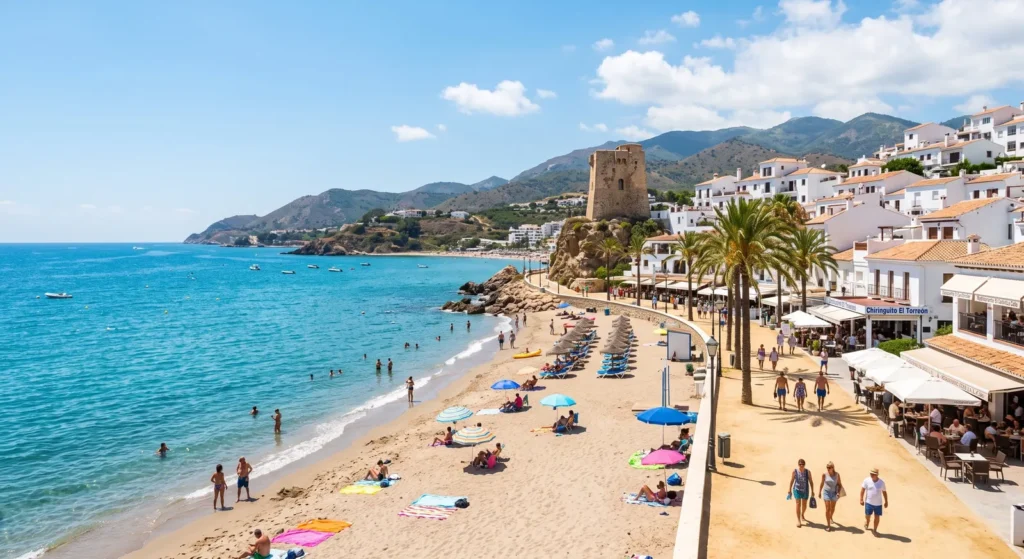
Things to Do in La Cala de Mijas: An Honest Local Guide
Things to do in La Cala de Mijas, written by locals: beach, promenade, market, Mijas Pueblo, golf and day trips. With kids, as a couple or solo
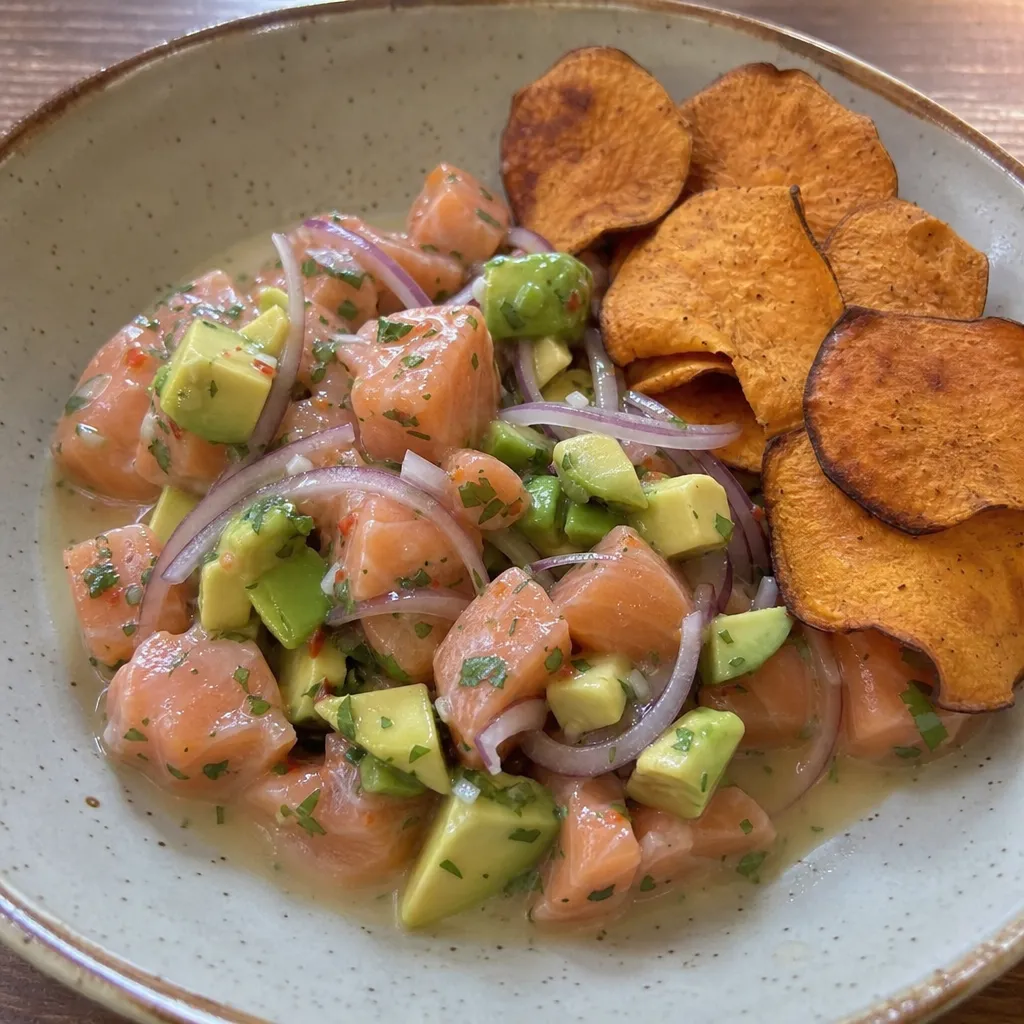
Discover the best ceviche in Malaga at Pauza
Discover the best ceviche in Malaga at Pauza Restaurant, where the fusion of Argentinian and Nordic cuisine redefines this dish. Ideal for exploring Malaga's restaurants.